Old School But Dice Pool
2026-04-05
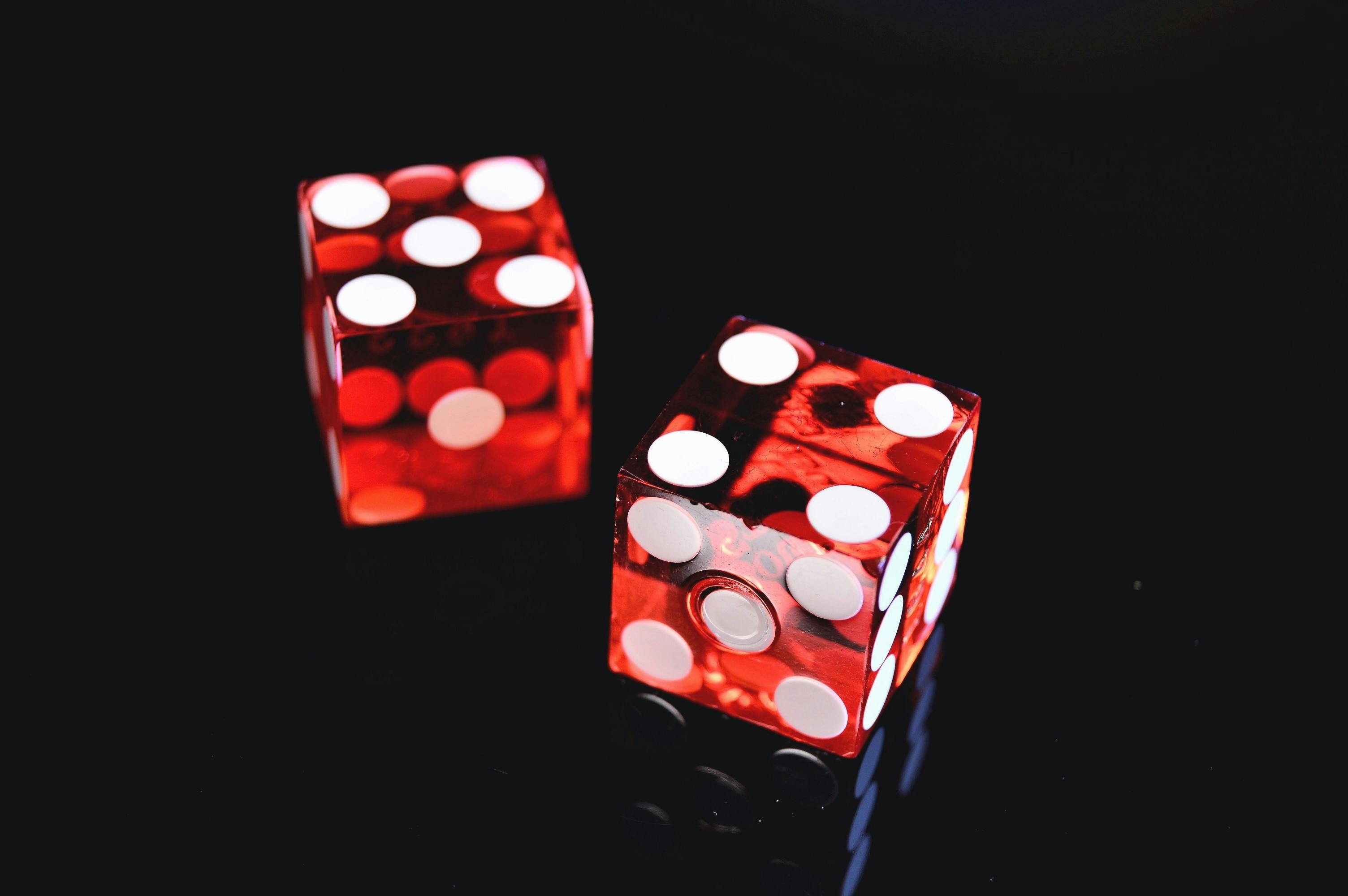
Image by Jonathan Petersson
My definition of the OSR is both vastly stricter and looser than most people, my requirements are rather simple but ironclad; It needs to be compatible with TSR era D&D, simple as. So no travller or Call of Cthulhu, but at the same time this includes quite a few games that aren’t just retroclones of TSR era games.
My reasoning for bringing up this definition; as I call the Functional Definition, is to contextualize the goal of this game project.
Old School But Dice Pool (OSBDP) is an attempt to create an alternative set of resolution mechanics while still retaining OSR compatible, specifically B/X D&D. the idea was to push that idea as far as I thought my own skills could take that, to attempt to make an OSR dice pool system.
I can imagine quite a few people asking the obvious question of why? Well to be honest out of curiosity and a wee bit of spite. way back back I was told that you couldn’t make a dice pool system that was truly OSR compatible, I aim to at least attempt to prove that wrong.
I had two very simple goals going into this concept, which I think I achieved with moderate success:
-
To replace all instances of d20 resolution mechanics, such as ability checks, attack rolls, and saving throws.
-
Retaining compatibility with existing values within monster statblocks
There are some things that I did not manage to change or want to change such as:
-
I didn’t make an alterantive way of handling damage, it’s still handled the same way it is in typical D&D, a seperate roll with a corresponding die type based on the weapon, this also means HP is the same.
-
I didn’t make an alterantive casting system, you still use typical fire and forget spell slots, nor are spells changed. though I will try designing an alternative casting method going into future iterations.
Ability Dice
At character creation an ability score is generated by rolling 3d6, the score correlates to a die total.
| Ability Score | Ability Dice |
|---|---|
| 3 | 1d |
| 4–7 | 2d |
| 8–13 | 3d |
| 14–17 | 4d |
| 18 | 5d |
Ability Checks
To attempt an action, roll a dice pool made from Ability Dice (based on the relevant ability score) and Any Bonus Dice (class features, Thief Dice, situational modifiers, tools, etc.)
Each die showing 4–6 is a success. A 6 counts as a two successes.
The GM assigns a Difficulty, defined as the number of successes required:
| Difficulty | Successes Required |
|---|---|
| Easy | 1 |
| Routine | 2 |
| Challenging | 3 |
| Hard | 4 |
| Very Hard | 5 |
| Extreme | 6+ |
Success To Hit 10 (STH10)
When making an attack roll, add the total number of successes to the enemies AC, if the total is equal to or greater than 10, you hit.
Example: a level 2 Fighter rolls their attack dice pool of 5 (3 from Strength, 2 from attack bonus) the Goblin he’s attacking has an AC 8, the fighter rolls three 4s, one 2, and one 5. getting a total of 4 success. 4 + 8 equals 12, so the Fighter hits.
Note: If you’re primarily running AD&D modules, it’s advisable to adjust to STH11 (Successes To Hit 11) or bring all ACs down by 1 when using this dice system.
Turn Undead
Attribute Dice (WIS) + Turn Dice (based on Cleric level) Compare the Cleric’s total successes to the Required Success for the undead’s HD on the Turn Undead Table.
| Cleric Level | Turn Dice Bonus |
|---|---|
| 1 | +0 |
| 2 | +0 |
| 3 | +0 |
| 4 | +1 |
| 5 | +2 |
| 6 | +2 |
| 7 | +3 |
| 8 | +3 |
| 9–10 | +4 |
| 11–12 | +5 |
| 13–14 | +6 |
| Cleric Level | HD1 | HD2 | HD3 | HD4 | HD5 | HD6 | HD7 | HD8 | HD9+ |
|---|---|---|---|---|---|---|---|---|---|
| 1 | 2 | 3 | 4 | 5 | 6 | — | — | — | — |
| 2 | 1 | 2 | 3 | 4 | 5 | 6 | — | — | — |
| 3 | T | 1 | 2 | 3 | 4 | 5 | 6 | — | — |
| 4 | T | 1 | 2 | 3 | 4 | 5 | 6 | — | — |
| 5 | D | T | 1 | 2 | 3 | 4 | 5 | 6 | — |
| 6 | D | T | 1 | 2 | 3 | 4 | 5 | 6 | — |
| 7 | D | D | T | 1 | 2 | 3 | 4 | 5 | 6 |
| 8 | D | D | T | 1 | 2 | 3 | 4 | 5 | 6 |
| 9–10 | D | D | D | T | 1 | 2 | 3 | 4 | 5 |
| 11–12 | D | D | D | T | T | 1 | 2 | 3 | 4 |
| 13–14 | D | D | D | D | T | T | 1 | 2 | 3 |
On a success roll a 2d6, the result is the number of HD worth of undead that are turned, starting with the lowest HD undead and working up. Monsters affected by Turn Undead must flee from the cleric for 2d4 rounds.
T - Indicates a monster is automatically turned (no roll required)
D - indicates the monster takes damage. the damage taken is equal to 1d6 per Cleric Level. this applies to all undead.
Thief Dice
Thieves gain a pool of Thief Dice that represent training in being a Thief, These dice are added to any ability check that falls within the traditional domain of the thief, such as:
- Sneaking
- Pickpcoketing
- Climbing
- Lockpicking
- Sneak Attacking
- Listening at doors
| Levels | Thief Dice |
|---|---|
| 1–2 | +1 |
| 3–4 | +2 |
| 5–6 | +3 |
| 7–8 | +4 |
| 9–10 | +5 |
| 11–12 | +6 |
| 13–14 | +7 |
Sneak Attack
In situations where a Thief is behind an enemy or has caught them unaware (via stealth or other means) the Thief may perform a sneak attack. When a Thief performs a sneak attack they may add their Thief dice to the attack dice pool, On success the Thief does double any damage they have rolled.
Fighter Multi-Attack
Fighters can make more than one attack per round. To do so a Fighter must split up their total attack dice pool between targets
Example: Bob the 6th level fighter wants to make two attacks against two goblins within 5 feet of him. Bob’s attack dice pool is 3 from strength, 3 from his level, and 2 from his magic sword, meaning he has a total of 8. He attacks the first goblin with a dice pool of 4, and the second goblin with a dice pool of 4.
Attack Dice By Class
At certain levels classes gain additional dice for making attacks called Attack Dice. Consult the tables below and cross reference for class and level.
Fighter
| Levels | Attack Dice |
|---|---|
| 1–2 | +1 |
| 3–4 | +2 |
| 5–6 | +3 |
| 7–8 | +4 |
| 9–10 | +5 |
| 11–12 | +6 |
| 13–14 | +7 |
Thief / Cleric
| Levels | Attack Dice |
|---|---|
| 1–2 | +0 |
| 3–4 | +1 |
| 5–6 | +2 |
| 7–8 | +3 |
| 9–10 | +4 |
| 11–14 | +5 |
Magic-User
| Levels | Attack Dice |
|---|---|
| 1–4 | +0 |
| 5–8 | +1 |
| 9–12 | +2 |
| 13–14 | +3 |
Monsters
Unless otherwise specified, Monsters attack dice pool scales with their HD.
| Hit Dice | Attack Dice |
|---|---|
| < 1 HD | 2 dice |
| 1–2 HD | 3 dice |
| 3–4 HD | 4 dice |
| 5–6 HD | 5 dice |
| 7–8 HD | 6 dice |
| 9–10 HD | 7 dice |
| 11–12 HD | 8 dice |
| 13–14 HD | 9 dice |
| 15–16 HD | 10 dice |
| 17–18 HD | 11 dice |
| 19–20 HD | 12 dice |
| 21+ HD | +1 per 3 HD |
Saving Throws
A Saving Throw is called when a character must avoid a hamrful effect or condition. The dice pool for a saving throw is their save dice (determined by level) and any relevent ability dice if they apply.
There is a total of five saves, each having a static difficulty based on the class.
- Death / Poison
- Wands
- Paralysis / Petrify
- Breath Attacks
- Spells / Magic
Save Dice per Level
| Levels | Save Dice |
|---|---|
| 1–2 | +0 |
| 3–4 | +1 |
| 5–6 | +2 |
| 7–8 | +3 |
| 9–10 | +4 |
| 11–12 | +5 |
| 13–14 | +6 |
Fighter Saves
| Save Type | Successes Required |
|---|---|
| Death / Poison | 3 |
| Wands | 4 |
| Paralysis / Petrify | 3 |
| Breath Attacks | 4 |
| Spells / Magic | 5 |
Cleric Saves
| Save Type | Successes Required |
|---|---|
| Death / Poison | 4 |
| Wands | 4 |
| Paralysis / Petrify | 3 |
| Breath Attacks | 5 |
| Spells / Magic | 3 |
Thief Saves
| Save Type | Successes Required |
|---|---|
| Death / Poison | 4 |
| Wands | 3 |
| Paralysis / Petrify | 4 |
| Breath Attacks | 3 |
| Spells / Magic | 4 |
Magic-User Saves
| Save Type | Successes Required |
|---|---|
| Death / Poison | 4 |
| Wands | 5 |
| Paralysis / Petrify | 5 |
| Breath Attacks | 6 |
| Spells / Magic | 3 |
Addendum: Magic Item Adjudication
In most old school games, magic items confer bonuses, typially to attack and damage. In instances where a magic item confers an attack bonus, simply convert that number to attack dice. E.g. +2 to attack equals +2 to Attack Dice.
Another option is to simply add attack bonus to enenmy AC. *E.g. Bob the Fighter has a +2 magic sword, and is fighting a Orge with AC 5, treat the Orge’s AC as 7 any time Bob attacks the Orge.
Damage is handled the same way as tradtional old school games so no modifcation is required.